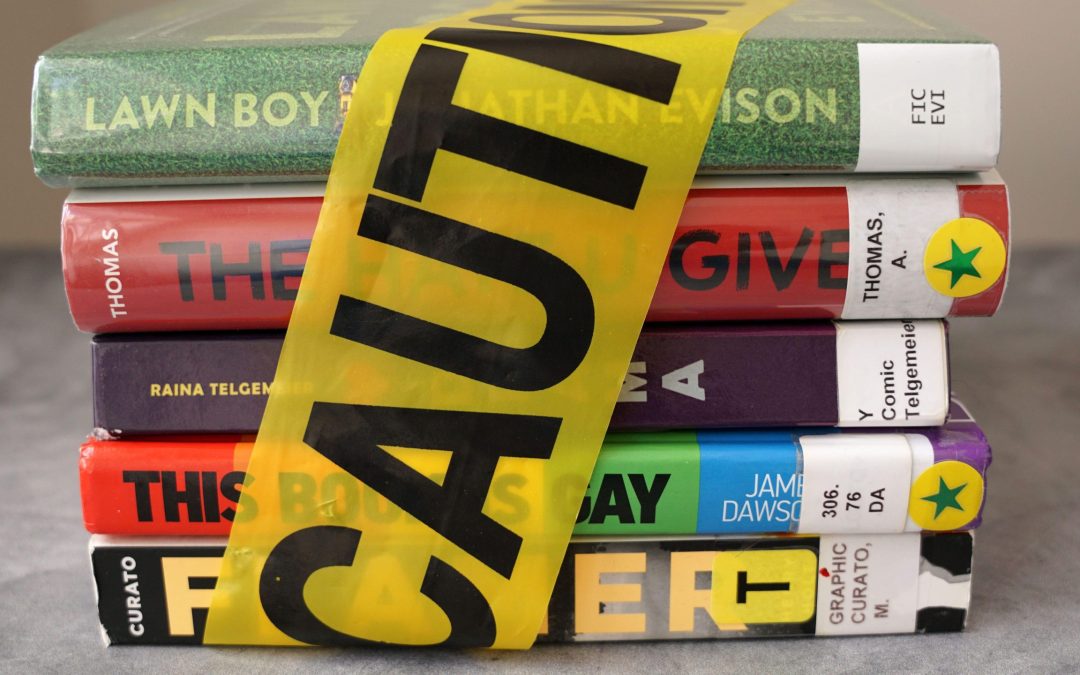
Censorship and book banning in schools represent a dangerous assault on intellectual freedom, critical thinking, and the right of young people to engage with challenging ideas.
In a shocking case from a Greater Manchester secondary school (reported by Index on Censorship in March 2026), a librarian faced disciplinary action, including a safeguarding complaint that effectively ended her career, after stocking titles like Laura Bates’ Men Who Hate Women. This triggered a sweeping purge of nearly 200 books (counting graphic novel issues) from the school library.
The removals, often justified with vague or AI-generated reasons like “mature themes,” “violence,” “political content,” or “upsetting” elements, targeted everything from young adult favorites (Heartstopper, Twilight) and diverse voices to serious works on history. Classics and biographies were yanked, including WWII-related books shortly after Remembrance Day. The school even used AI to classify and rationalize the bans, with one document admitting the AI-generated reasons were considered “broadly accurate.”
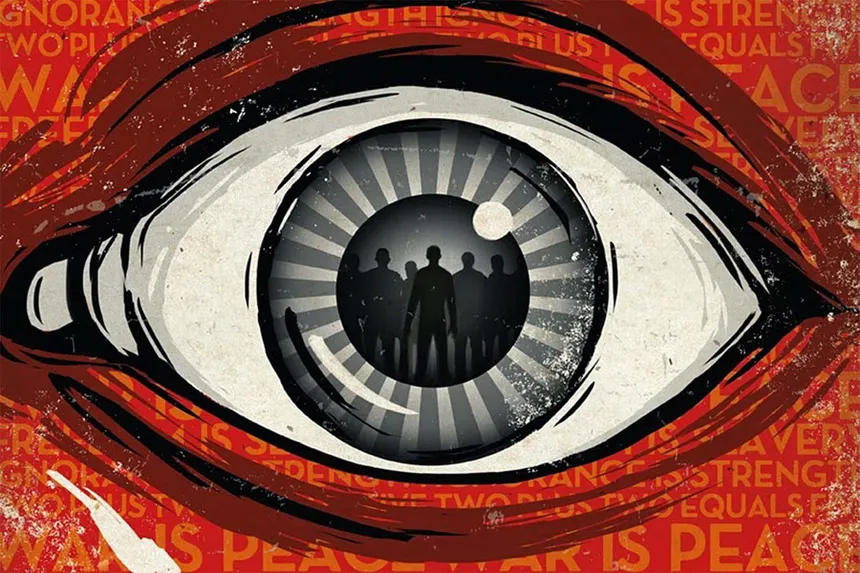
The pinnacle of absurdity and irony: a graphic novel adaptation of George Orwell’s 1984 was among the censored titles. Orwell’s dystopian masterpiece warns precisely against totalitarian control of information, thoughtcrime, and the rewriting (or erasing) of what is deemed acceptable. Banning it, via an opaque, algorithm-assisted process that sidelines professional librarians and human judgment, is profoundly Orwellian. It embodies the very authoritarianism the novel condemns, where “Big Brother” (here, school administrators and AI) decides what students may read.
This incident highlights how censorship, whether driven by overzealous “safeguarding,” ideological discomfort, or lazy reliance on technology, harms students by shrinking their access to literature that fosters empathy, resilience, and awareness of the world.
Sources:
