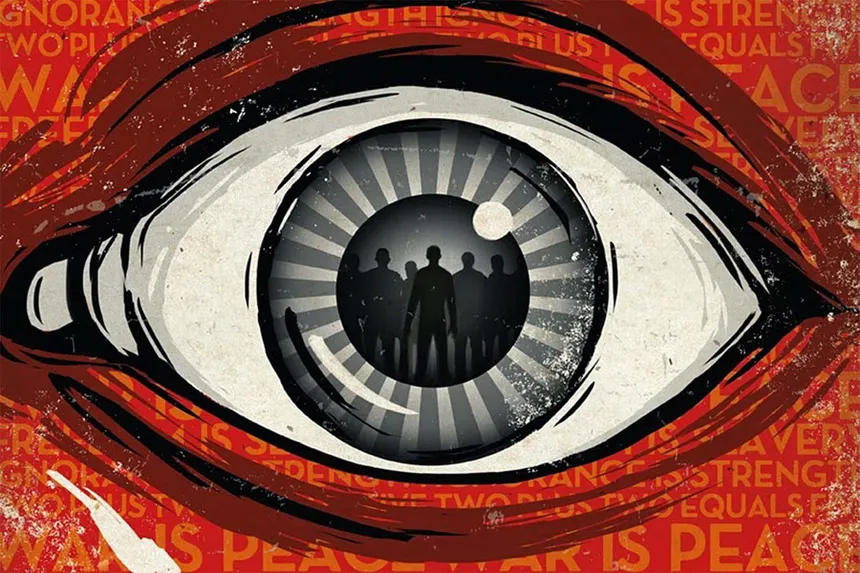
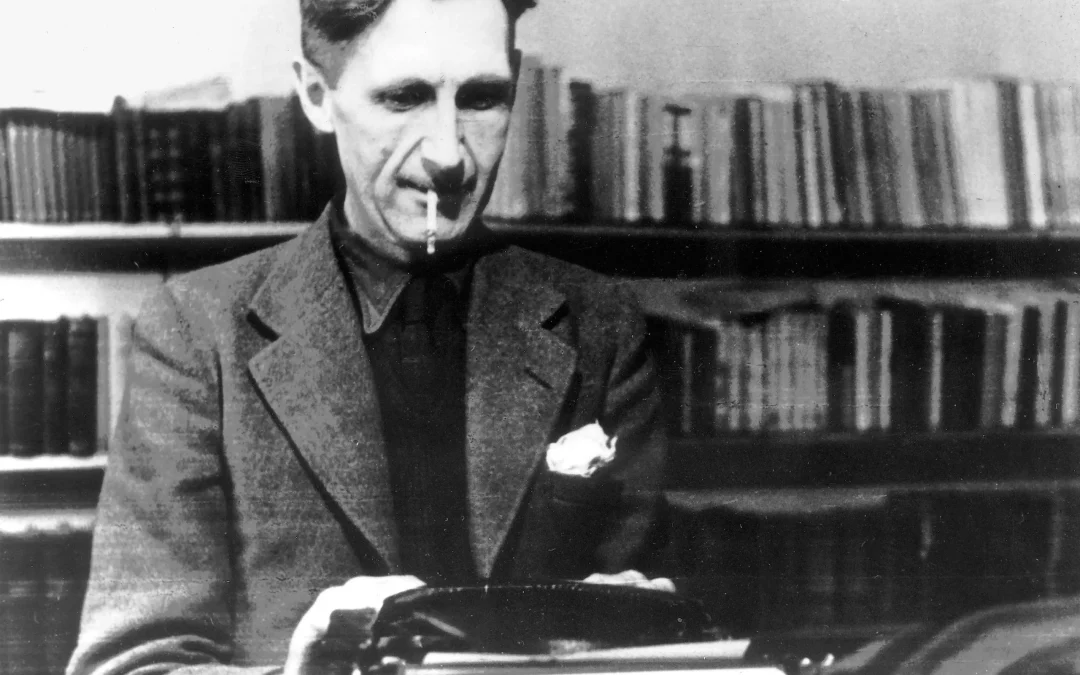
George Orwell’s dystopian novel 1984 serves as a powerful warning about the dangers of totalitarianism, and this Academy of Ideas video explores how its themes mirror both 20th-century regimes and troubling trends in the modern world.
The video opens by noting Orwell’s foresight: in 1940, he warned of an age of totalitarian dictatorships where freedom of thought would become a sin or meaningless abstraction, and the autonomous individual would be stamped out. While 1984 is fiction, much of it reflects real political realities. The video draws parallels to communist and fascist systems of the 20th century, despite their apparent opposition on the political spectrum, which both relied on centralized control, force, propaganda, mass surveillance, psychological warfare, and terror. Orwell himself observed that these regimes evolved toward a similar form of “oligarchical collectivism.”
Key mechanisms of control highlighted include manufactured fear, constant surveillance (via telescreens and citizen-on-citizen spying), and the creation of widespread confusion through the falsification of history and the denial of objective truth. The Ministry of Truth rewrites the past to eliminate reference points for comparison, ensuring citizens cannot question whether life was better before. Propaganda floods the airwaves with contradictions, lies, and shifting “truths,” leaving people mentally disoriented and dependent on the state. Doublethink, Newspeak, and slogans like “War is Peace” exemplify how language and logic are twisted to enforce obedience.
The video emphasizes that totalitarianism thrives on mass support and psychological manipulation rather than brute force alone. It urges viewers to recognize re-emerging traits in contemporary society, such as surveillance, narrative control, and erosion of truth, and to actively withdraw support from such systems. Orwell’s message is clear: “Don’t let it happen. It depends on you.” The analysis serves as both a historical reflection and a call to vigilance in defense of individual freedom and objective reality.
Overall, the roughly 16-minute video is a thoughtful, artfully illustrated essay on why 1984 remains urgently relevant, blending literary analysis with political philosophy to highlight the perpetual battle against authoritarian control.
